Why Restaurant Lighting Can Change the Entire Experience


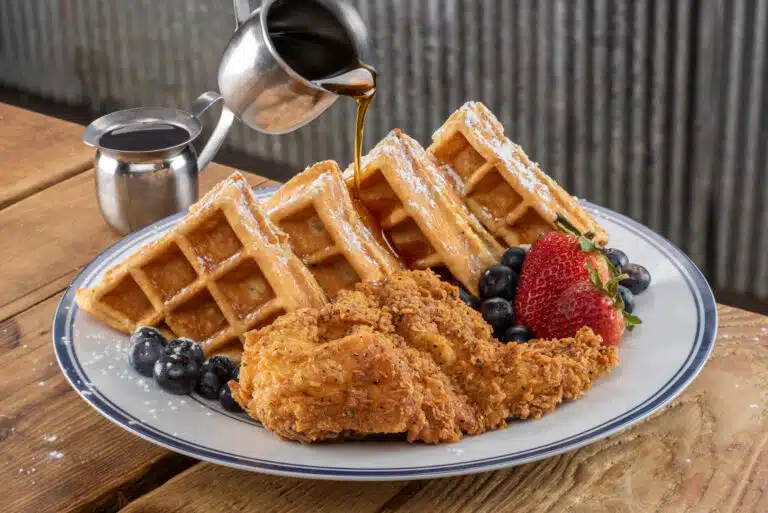
Walk into a restaurant with harsh overhead glare and you feel it before you think it. Your shoulders stay a little tight. The table looks flat. Food loses depth. Conversations seem louder than they are. Walk into a room with warm, deliberate lighting and the opposite happens. People settle in. Faces look better. Glassware catches a soft edge of sparkle. Plates arrive with color and contrast intact. The room starts doing part of the hospitality work before a server says a word.
Lighting is one of the least discussed forces in restaurant design, and one of the most powerful. Owners often focus on menu engineering, staffing, kitchen flow, branding, and social media, all of which matter. But lighting shapes how guests feel, how long they stay, what they order, how they photograph the meal, and whether they want to come back. It affects the staff too. A dining room can be visually seductive and still be miserable to work in if service stations are dim, sightlines are poor, or the room becomes a cave by 8 p.m.
After enough time in and around hospitality spaces, one pattern becomes obvious: good lighting rarely announces itself. Guests do not usually say, “The ambient-to-accent balance was excellent tonight.” They say the room felt lively, intimate, romantic, expensive, relaxed, celebratory, or easy to be in. They remember the mood. Lighting is often the hidden hand behind it.
The room starts speaking before the food arrives
A restaurant begins communicating long before the first bite. The approach to the host stand, the brightness at the entrance, the glow visible from the sidewalk, and the transition from outside light to interior light all set expectations. Even a guest who cannot explain what feels “off” will register mixed signals immediately.
Consider two neighborhood spots serving similar pasta at similar prices. One has cool white ceiling fixtures, bright enough to expose every surface evenly. The menu is readable, but the room feels more like a waiting area than a dining room. The other uses lower ambient light, warm pendants above tables, and a soft wash on the walls that gives the room depth. Same cuisine, same city, similar rent, very different emotional tone. Most guests will assume the second place is more thoughtful, often more premium, before a plate hits the table.
That assumption matters because dining is not just consumption. It is theater, memory, comfort, and social exchange. Lighting tells guests whether they should linger over a second bottle, order dessert, bring a date, host a client, or keep things quick and transactional. In practical terms, it sets the pace of the business.
Brightness is not the same as visibility
One of the most common mistakes in a restaurant is confusing a bright room with a functional room. You can flood a space with light and still make it uncomfortable. In fact, many dining rooms are overlit in exactly the wrong way. Uniform overhead light tends to flatten faces, kill texture, and create visual fatigue. It makes every table equally visible, which sounds fair in theory but rarely feels good in practice.
Visibility is more nuanced. Guests need to read the menu without using a phone flashlight. Servers need to spot eye contact and body language. Food should look appetizing. The path to the restroom should be obvious without a runway beam. Those needs can be met with layered lighting rather than brute force.
A well-lit restaurant usually relies on several roles working together. Ambient light sets the general mood. Task light helps with practical functions like reading or service work. Accent light gives focus to architectural features, artwork, bottles, or specific zones. Decorative fixtures add identity and rhythm. When those layers are balanced, the room feels clear without feeling exposed.
The difference is easy to observe in service. In a thoughtfully lit space, guests can find each other’s expressions and servers can move with confidence, yet no one feels they are eating under an interrogation lamp. In a badly lit room, people either squint at the menu or shield themselves from glare. Both outcomes create friction, and friction is the enemy of hospitality.
Light changes the way food looks, and that changes the meal
Food is visual long before it is tasted. The color of a tomato sauce, the sheen on roasted fish, the crumb on a loaf of bread, the char on a steak, the translucence of a cocktail with citrus oils on top, all of that depends on light. If the light source is too cool, dishes can appear sterile or washed out. If it is too dim, the plate loses detail and appeal. If it is too directional, part of the dish glows while the rest falls into muddy shadow.
This is not an abstract design problem. It influences ordering behavior. Guests are more likely to perceive a dish as abundant, fresh, or indulgent when they can actually see its shape and color. Dessert sales often improve in dining rooms where the late-evening lighting still flatters plated sweets instead of swallowing them. Cocktails benefit especially from targeted sparkle. A backlit bottle display or a subtle highlight on the bar can make beverage service feel more desirable before a server speaks about specials.
I once saw a chef frustrated that a newly launched tasting menu looked “dead” in the dining room despite beautiful plating in the kitchen pass. The issue was not the food. The tables sat directly beneath recessed downlights with narrow beams. The centers of the plates were hot with light, but the outer edges, garnishes, and textures disappeared. Small changes, diffusers, a lower-intensity lamp, and better spacing, made the https://medium.com/@waltersbbq/about same dishes look composed and alive. The guests never knew anything had changed. They just started reacting more enthusiastically.
Guests do not all want the same thing from light
A dinner for two asks something different of a room than a family brunch, a solo weekday meal, or a ten-person birthday reservation. Lighting has to support those shifts without making the restaurant feel disjointed.
During lunch, people usually tolerate and even expect more brightness. Natural light can make a room feel open and energetic. At dinner, the emotional register changes. Guests often want a little privacy, a little softness, and a stronger sense of separation from the outside world. That does not mean turning the room into a cave. It means controlling contrast, guiding the eye, and creating pools of comfort within a larger shared environment.
This is where dimming becomes less of a luxury and more of a basic operating tool. Daylight moves. Weather changes. A cloudy winter afternoon and a bright summer evening behave differently. If the restaurant cannot adapt, the room can feel wrong for hours at a time. Fixed lighting often produces that awkward early-evening gap when the room is too dark for menus but too bright for atmosphere. A manager should not have to choose between guest comfort and legibility every day at 6:30 p.m.
Different demographics also respond differently. Older guests often need higher light levels to read comfortably and navigate safely. Younger crowds may embrace darker, moodier rooms, especially in cocktail-led concepts. A polished casual restaurant serving a broad age range has to negotiate both needs. That usually means keeping pathways, menus, and table surfaces functional while allowing the surrounding room to stay warm and flattering.
Lighting shapes behavior, and behavior shapes revenue
There is a business side to this that operators ignore at their own cost. Lighting influences how quickly tables turn, how premium the menu feels, and which parts of the day perform best. Bright, high-energy light can encourage movement and efficiency. Softer, lower light tends to slow people down and increase dwell time. Neither is inherently better. The right choice depends on the business model.
A quick-service lunch concept near offices benefits from clarity, speed, and visual energy. A date-night bistro wants guests to relax, order another glass of wine, and stay for dessert. A hotel restaurant often needs multiple moods in the same space, breakfast utility in the morning, social ease at the bar in late afternoon, and polish at dinner. Lighting supports those transitions better than almost any other design element.
Perceived value rises with visual coherence. Guests will often pay more in a room that feels considered. This does not require extravagant fixtures. It requires intention. A modest neighborhood restaurant with smart lighting can feel more elevated than a much larger space fitted with expensive but poorly controlled fixtures. People do not pay only for ingredients. They pay for feeling well hosted.
There is also the matter of reviews and photos. Many restaurants now live partly through guest images. If the room turns everyone’s skin gray, creates deep eye shadows, or makes food look dull, guests may post less often or post images that undersell the experience. The right lighting does not need to turn the restaurant into a selfie set. It simply needs to make the experience legible and attractive through a phone camera as well as to the naked eye.
Warmth, color temperature, and the psychology of comfort
Color temperature sounds technical, but diners experience it emotionally. Warm light tends to feel more intimate, forgiving, and inviting. Cooler light can feel cleaner and sharper, which may work in some concepts but can easily veer clinical in a full-service restaurant.
Most evening dining rooms lean warm for good reason. Warm light is kind to skin tones, wood finishes, leather banquettes, and many foods. It softens the room and reduces the hard-edged feeling that can come from bare bright sources. But warm does not mean orange, and dim does not mean romantic by default. Push either too far and the room starts feeling dated or inconvenient.
Balance matters. A seafood restaurant with a crisp, coastal identity may tolerate slightly cooler tones than a steakhouse wrapped in dark timber and brass. A bakery-cafe operating from morning into early dinner may need a neutral middle ground that keeps pastry colors accurate during daylight hours but can still soften in the evening. The best operators choose color temperature based on cuisine, materials, service style, and daypart, not trends.
One small but important detail is consistency. Mixed lamp colors in the same sightline can make a room feel chaotic, even if guests cannot identify why. A warm pendant over the table and a noticeably cooler wall sconce nearby can create a jarring mismatch. It is like hearing two songs playing at once, subtle enough to ignore, irritating enough to feel.
The staff experience is part of the lighting story
A restaurant is not just a stage for guests. It is a workplace moving at speed. If staff cannot read tickets, spot spills, monitor guest cues, or carry plates safely, the most atmospheric room in town becomes operationally weak.
Back-of-house lighting needs are different, obviously. Kitchens require much stronger and clearer task lighting. But the transitions between kitchen, service stations, bar, and dining room deserve careful thought. Servers should not move from intense brightness into near darkness and need several minutes for their eyes to adjust. That slows service and raises the chance of accidents.
Service stations are often neglected. They are hidden from guests, so owners let them stay dim or awkwardly lit. Then basic tasks become harder than they need to be: polishing glasses, checking modifiers, organizing cutlery, or handling the check presenter. The cost shows up in slower service and more mistakes. Lighting, in that sense, is not only aesthetic. It is labor efficiency.
Managers should also pay attention to shadow patterns across the room. A server scanning tables for a raised hand or an empty water glass depends on visual clarity. If banquettes are beautiful but faces disappear, service becomes more reactive and less intuitive. Guests may read that as inattentive hospitality when the real issue is environmental.
Common restaurant lighting mistakes
Some problems appear again and again, across budgets and concepts. They usually come from solving for one need while ignoring the rest.
- Overhead glare from exposed bulbs or poorly shielded downlights
- Rooms dimmed so aggressively that menus, checks, and plates become hard to read
- Decorative fixtures chosen for style but not for actual light output or control
- No dimming strategy for changes in daylight and service period
- Bright bar or kitchen spill that visually overpowers the dining area
Each of these can damage the experience in different ways. Glare creates discomfort almost immediately, especially when a guest looks up mid-conversation and catches a bare filament or a recessed beam at the wrong angle. Excessive dimness can feel seductive for five minutes and then become annoying when someone needs to read the wine list. Decorative pendants may look fantastic in a render but cast awkward shadows or leave tables patchy in real use. A room without dimming control is forced into compromise all day. And when the bar shines like an airport lounge while the dining room aims for intimacy, the concept starts arguing with itself.
Good lighting is rarely one dramatic thing
Owners sometimes think in terms of statement fixtures because those are visible decisions. A chandelier, a sculptural pendant cluster, or an illuminated back bar reads as investment. But the success of restaurant lighting usually comes from less obvious choices: the beam angle, the dimming curve, the wall reflectance, the lamp shade material, the mounting height, the way one zone transitions to the next.
Wall lighting, for example, is underestimated. A softly lit wall can make a room feel larger and calmer by giving the eye somewhere to rest. If only the tabletops are lit and the walls disappear, the room can feel cramped or gloomy. Likewise, a little light on texture, tile, brick, wood grain, shelving, turns background surfaces into part of the atmosphere.
Candlelight or candle-like sources also deserve mention. Real candles are not always practical or permitted, but the appeal is obvious. They create movement, softness, and a sense of occasion. The danger comes when operators rely on candles to compensate for otherwise inadequate lighting. A candle should enrich the table, not rescue it.
Renovation budgets are real, so where should operators focus first?
Not every restaurant can afford a full redesign. The good news is that lighting improvements often produce outsized results without requiring a complete rebuild. If the bones of the room are decent, modest interventions can transform the experience.
Start with control before replacement. Many dining rooms improve dramatically once operators can dim zones independently and adjust levels throughout service. Next, deal with glare. Swapping a lamp, adding a shade, changing fixture aim, or using diffusers can make the room more comfortable fast. Then look at the guest table. If the plate and the person seated in front of it both look unappealing, the room is working against itself.
Here is a sensible sequence for operators who need practical wins:
- Audit the room at breakfast, lunch, early evening, and peak dinner, because lighting that works at one hour may fail at another.
- Fix guest pain points first, especially menu readability, glare, and navigation to entries and restrooms.
- Improve table light before investing in decorative extras, since the table is where the meal actually happens.
- Support the staff with better lighting at service stations and transitions, which often pays back in smoother operations.
- Test every change during live service, not just in an empty room, because bodies, plates, and noise alter perception.
That last point matters more than people expect. An empty restaurant can deceive you. Once filled with coats, glassware, steam, movement, and conversation, the room absorbs and reflects light differently. A fixture that seemed charming during install can become annoying on a busy Saturday night.
Luxury is not the goal, coherence is
Some of the most memorable restaurants are not lavishly lit. They are simply coherent. The light matches the food, the price point, the neighborhood, and the service style. A bustling noodle shop can use brighter, more direct light and feel perfect. A wine bar can be moody without becoming inconvenient. A fine dining room can feel special without theatrical gimmicks.
What matters is whether the lighting supports the promise of the place. If the concept says relaxed and convivial, the room should not feel cold and rigid. If the menu aims for elegance, the lighting should not flatten every plate and overexpose every face. Guests may forgive a cramped table or a delayed entree more easily than operators realize, but they are less forgiving of a room that never lets them settle.
The best restaurant lighting makes people look good, makes food look honest and appealing, gives the room shape, and helps staff do their jobs. It is emotional and operational at the same time. That dual role is why it can change the entire experience so completely.
A restaurant can serve excellent food and still feel forgettable if the room never supports the meal. The reverse is also true, at least for a while. Good lighting can create generosity around small flaws because it helps guests enjoy themselves. It turns a meal into an atmosphere, and atmosphere is often what people are really buying when they choose one place over another on a Friday night.
If there is one lesson operators tend to learn late, it is this: guests do not separate the plate from the room. They experience the restaurant as a whole. Lighting is one of the elements that stitches everything together, quietly, constantly, and with far more influence than most people realize.
Walter's BBQ Southern Kitchen
Address: 4501 Butler St, Pittsburgh, PA 15201
Phone number: +14126837474
FAQ About Restaurant
What is the 30 30 30 rule in restaurants?
The 30-30-30 rule in restaurants is a classic financial budgeting guideline that suggests dividing revenue into three main cost categories: 30% for food costs, 30% for labor costs, and 30% for overhead, leaving the remaining 10% as profit.
What does 68 mean in a restaurant?
In a restaurant, 68 means that a food or drink item is back in stock and available to sell again. It is the exact opposite of the much more common code 86, which means an item is out of stock and gone.
Is it rude not to tip at restaurants?
Yes, not tipping at a sit-down restaurant is generally considered rude in the United States and Canada, where standard tips range from 15% to 20%, but customs vary heavily by country. In North America, servers rely on tips as a core part of their income because laws allow lower minimum wages for tipped staff. In many other parts of the world, like parts of Europe and the UK, tipping is optional or not expected because workers receive a full standard minimum wage.