Why a Pie Shop Is the Ultimate Weekend Stop

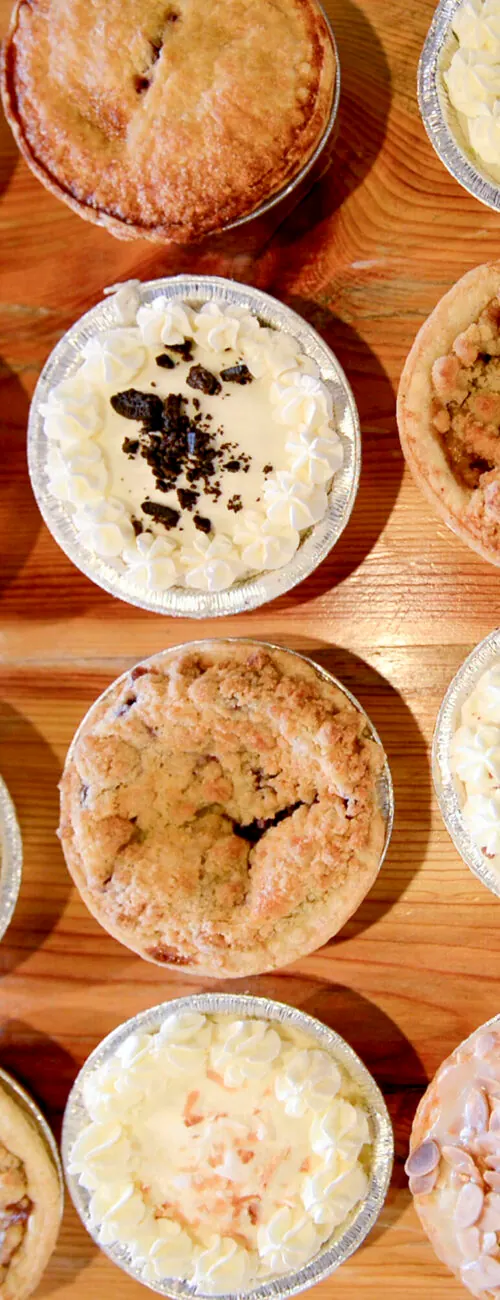
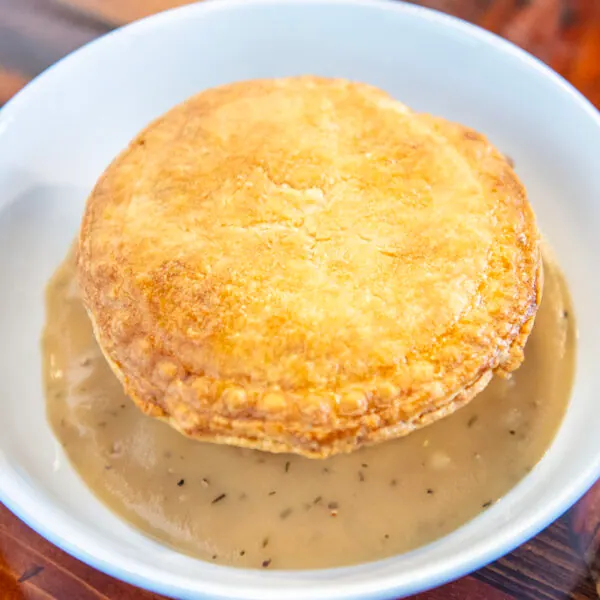
There are plenty of ways to spend a weekend morning well. You can wander a farmers market, claim a corner table at a busy café, or take the scenic route to somewhere with good coffee and enough daylight to make the whole day feel unhurried. Yet few stops deliver the same blend of comfort, novelty, and local character as a good pie shop.
That might sound like an overstatement until you think about what a pie shop actually offers when it is run well. It is not just dessert behind glass. It is a place where craft is visible, where the menu changes with the season, where a family can agree on one destination without negotiation dragging on for twenty minutes. It serves people who want a quick treat and people who want to sit down and make an hour of it. It appeals to the person who came for nostalgia and the person who cares about butter quality, fruit sourcing, and whether the crust was handled lightly enough to stay flaky.
The best weekend stops do more than fill time. They shape the mood of the day. A pie shop does that almost effortlessly.
The weekend asks for something different
Weekdays are governed by utility. Most food choices from Monday through Friday are made under some kind of pressure, time, cost, commute, convenience, or the blunt need to get from one obligation to the next. Weekend choices tend to be different. People want experiences that feel intentional without requiring a complicated plan. That is where a pie shop shines.
It is low stakes in the best sense. You do not need a reservation. You usually do not need to dress up. You can spend ten dollars or stretch to thirty, depending on whether you want a single slice, a whole pie, or a few pastries to take home. If you arrive alone, it still feels inviting. If you arrive with children, grandparents, or out-of-town guests, it still works.
That range matters more than people admit. Many weekend destinations quietly exclude someone, either because they are too expensive, too loud, too formal, too dull for kids, or too narrow in what they offer. A pie shop is unusually flexible. Someone can order a classic apple slice, someone else can try a brown butter chess pie, and another person can stick with coffee and talk. Nobody feels stranded.
There is also a practical point here. Good weekends are often built around one or two anchor stops, not an itinerary packed so tightly it becomes work. A pie shop makes an excellent anchor because it can open the day or punctuate it. You can stop in after a hike, before a bookstore visit, after errands, or on the drive back from seeing family. It slips naturally into the day instead of demanding that the day be built around it.
A pie shop offers both ritual and surprise
People return to pie for the same reason they return to certain songs, neighborhoods, or family recipes. It satisfies a craving for familiarity. Even a beautifully made pie can feel humble. It carries no pressure to decode it. You know what it is, broadly speaking, before you take the first bite.
At the same time, pie is far more varied than many people remember. One of the pleasures of visiting a strong pie shop is seeing how much can happen within a form that looks simple from the outside. Lemon meringue behaves differently from coconut cream. Sour cherry demands a different balance than peach. Savory pies can lean rustic or refined, hearty or delicate, depending on the filling and the crust. Even the same fruit pie can change dramatically from one month to the next, especially if the baker pays attention to what the fruit is actually doing.
That combination, ritual plus surprise, is rare. Coffee shops do it to some degree, but the range between one latte and another is narrower than the range between a silky chocolate cream pie and a slab of chicken pot pie with a deeply savory gravy. Restaurants can deliver novelty, but often at a higher cost and with more logistical friction. A pie shop gives you enough predictability to feel comfortable and enough variation to make repeat visits worthwhile.
I have seen this play out countless times in local food districts. A new diner might get attention for a month. A trend-driven bakery may spike on social media and then thin out. The steady pie shop often becomes the place people keep returning to. It earns loyalty not by shouting, but by becoming part of how people mark time. First rhubarb of spring. Peach season in late summer. Pecan around the holidays. Cold mornings that call for something warm and spiced. Weekends accumulate around those patterns.
It makes craftsmanship visible
There is something especially satisfying about food that shows its labor without feeling showy. Pie does that. Even someone with no baking experience can recognize that a pie involves judgment. Crust thickness, lattice work, blind baking, fruit thickening, meringue stability, custard texture, all of that depends on attention. When it goes wrong, it goes noticeably wrong. Soggy bottoms, underseasoned fillings, curdled custards, crusts that shatter instead of flake, these are not subtle problems.
When it goes right, the result feels generous and precise at the same time.
A pie shop lets customers witness some of that craft directly. You can see the range of products, the finish on the crust, the way slices hold their shape, the sheen of fruit filling, the structure of whipped toppings, the careful crimping around the edges. Even before tasting, you are reading signals about standards.
That visible workmanship changes the transaction. Buying a supermarket dessert is mostly about convenience. Visiting a pie shop feels closer to visiting a workshop where the product happens to be edible. The atmosphere is not always polished. In fact, some of the best pie shops I have known looked almost plain from the outside, with modest interiors, practical display cases, and a line that moved just fast enough to suggest competence. The appeal came from evidence. You could tell the place cared about the details that mattered.
For a weekend stop, that matters. People are often looking for outings that feel grounded and specific, not generic. A pie shop tends to reflect the hand of the baker more clearly than many other food businesses. It tells you something about local tastes, family traditions, ingredient access, and the level of ambition in the kitchen.
Few places please mixed groups this easily
Anyone who has organized even a casual weekend meet-up knows that group dynamics shape the destination. One person wants breakfast. Another wants something sweet. Someone needs a child-friendly option. Someone else has no patience for a long wait or a loud room. This is where the humble pie shop starts looking remarkably strategic.
A good pie shop covers a lot of ground without trying too hard. Savory pies can satisfy lunch appetites. Quiche, hand pies, and pot pies can bridge the gap between breakfast and lunch. Fruit pies, cream pies, and seasonal specialties give dessert lovers plenty to talk about. Coffee, tea, and a few simple beverages usually round things out. The mood stays relaxed because nobody is dealing with the formality or cost of a full-service restaurant.
There is also an emotional generosity to pie that should not be dismissed as sentimentality. Sharing pie is easy. One whole pie can become the center of a table, a spontaneous gift, or a practical solution when you are headed to someone’s house and do not want to arrive empty-handed. A pie shop helps turn a vague plan into a concrete gesture. Instead of saying, “Let’s just grab something,” you leave with a warm apple pie or a chilled banana cream pie and suddenly the day feels a little more complete.
Families notice this first, but it applies just as much to couples, friends, and solo regulars. The pie shop meets people where they are. It does not ask them to perform taste or status. It simply offers something good, made well, in portions that can flex to the occasion.
The sensory appeal is hard to beat
Some destinations sound better in theory than they feel in practice. A trendy food hall can be overstimulating. A packed brunch spot can wear you down before the menu even arrives. A pie shop, by contrast, usually wins on atmosphere before a bite is taken.
The smell alone does serious work. Butter, cinnamon, toasted nuts, baked fruit, warm pastry, vanilla, these are among the most persuasive aromas in food retail. They create anticipation without aggression. The setting tends to be calmer than a bar and less transactional than a grab-and-go chain café. Even when busy, a pie shop often feels intimate because the products themselves evoke home kitchens and holidays.
Texture is another advantage. Pie is not one-note food. A good slice gives you contrast, tender fruit against crisp crust, smooth custard against crumb topping, airy meringue over dense filling. That makes it satisfying in a way many sweets are not. It also helps explain why pie works so well as a weekend treat. It feels substantial. You do not finish it and wonder where it went.
There is a memory component too. People carry strong pie associations, often more personal than with other desserts. Apple pie may remind one person of a grandmother’s kitchen. Key lime may recall a summer trip. Steak and ale pie may evoke a pub meal during travel. Those memory links can make a simple stop feel richer than its price tag suggests.
A pie shop reflects the season better than most businesses
Seasonality is one of the most persuasive reasons to make a pie shop part of a weekend routine. Good pie shops are among the clearest edible calendars a town can have. You do not need a sign announcing the shift from summer to fall when peaches disappear and spiced pumpkin, maple pecan, and deep-dish apple begin to dominate the case.
This is not just charming. It improves quality. Fruit pies are at their best when the fruit itself is worth baking. Strawberries in late spring have a different sweetness and water content than strawberries trucked in during winter. Summer blackberries can turn a pie vivid and aromatic in a way frozen fruit sometimes cannot, though a skilled baker can absolutely make frozen fruit work with care. Seasonal rotation encourages that kind of judgment. It nudges both baker and customer away from the illusion that every ingredient should be available at peak quality all year.
A pie shop that respects seasonality usually earns trust in other areas too. It suggests restraint. It suggests that the owner would rather serve fewer things well than force a menu to stay fixed when the raw materials are not cooperating. That is a good sign in any food business.
If you want to know whether a pie shop is likely worth returning to, watch for a few signals:
- The seasonal pies taste distinct, not like the same base formula with different labels.
- The crust stays crisp where it should and tender where it should, even later in the day.
- Staff can describe what is fresh, what is especially popular, and what is richer or lighter.
- Savory options are treated with the same care as sweet ones.
Those details separate places with a real point of view from places that merely happen to sell pie.
It supports local economies in a direct, visible way
People often say they want to support local business, but the phrase can become abstract. A pie shop brings the idea back to earth. It is a business model that usually depends on local habits, repeat customers, neighborhood reputation, and often local sourcing, even if only in part.
Unlike certain retail concepts that can feel interchangeable from one city to another, a pie shop tends to develop a strong local identity. Its bestsellers often reflect regional preferences. In one place, that might mean chess pie and pecan. In another, berry pies dominate. Elsewhere, savory meat pies or mushroom hand pies become the signature. The product is shaped by the community, and the community is subtly shaped in return.
There is an economic texture to this that deserves mention. Small food businesses create jobs, purchase from nearby vendors where feasible, attract foot traffic to adjacent shops, and give a street or district a center of gravity. A pie shop can be exactly the kind of business that makes a neighborhood more walkable and more sociable. It invites lingering. It gives people a reason to come downtown instead of ordering another anonymous dessert through an app.
Not every pie shop is a tiny independent, of course, and not every independent shop is automatically good. But when one is run with care, it often becomes a quiet civic asset. People use it as a meeting point. They bring visitors there. They rely on it for holidays and milestones. Over time, it becomes less of a retail outlet and more of a local institution.
It offers value, even when budgets are tight
Weekend indulgence does not always sit comfortably with household budgets. That is one reason the pie shop remains such a strong option. Compared with many leisure activities, it offers a meaningful experience at a manageable cost.
A single slice and coffee in many places lands well below the cost of brunch. A whole pie, while not cheap if it is made with quality ingredients and real labor, often serves enough people to justify the purchase. For gatherings, it can be a smarter spend than a spread of assorted desserts that cost more and satisfy less.
There is also value in the lack of overhead from the customer’s point of view. You are not paying for an elaborate production. You are paying for ingredients, skill, and a straightforward service model. The product itself carries the experience.
That said, there are trade-offs. Some pie shops sell out early, which can frustrate people expecting a leisurely late-afternoon visit. Some prioritize sweet pies so heavily that savory seekers have limited options. Others make beautiful whole pies but mediocre slices because the cut portions sit too long. Those are real weaknesses, and they matter. Still, the category remains unusually resilient because even its flaws are often easier to navigate than the shortcomings of https://charliewfza998.inkharbory.com/posts/the-flavor-journey-you-can-only-find-at-a-pie-shop more complicated dining formats.
If you learn a shop’s rhythm, the experience improves quickly. Go early for the most complete selection. Preorder around holidays. Ask what was baked that morning. Be open to the pie that looks best rather than the pie you originally planned to get. These are small adaptations, but they tend to pay off.
The best pie shops know they are selling a feeling, not just a product
This is where many food businesses either deepen their appeal or flatten it. A pie shop can treat pie as inventory, or it can understand that people often come looking for a certain kind of pause. The strongest shops recognize the emotional dimension without becoming saccharine about it.
That might show up in simple ways. Staff who can guide someone choosing a pie for a birthday dinner. A menu that includes both classics and one or two more adventurous options. Packaging that travels well enough for a car ride home. Seating that encourages people to stay for one slice instead of rushing out. None of this is flashy. It is just thoughtful.
One reason people return to a pie shop on weekends is that it lends shape to time. We underestimate how much pleasure comes from small rituals. Parking a few blocks away and walking over. Checking the case before deciding. Splitting two slices instead of ordering one each. Bringing home a whole pie for later. These patterns become personal traditions surprisingly fast.
That matters because weekends are not only for entertainment. They are also for recovery. People want experiences that restore them without requiring a strategic plan. A pie shop fits that need beautifully. It provides a destination with enough substance to feel special and enough ease to feel restorative.
Why it keeps earning the stop
The phrase “ultimate weekend stop” is not really about ranking pie above every other pleasure. It is about how many needs a good pie shop meets at once. It is affordable enough to be regular, distinctive enough to stay interesting, and welcoming enough to work for almost any company you keep. It rewards appetite, curiosity, and habit all at once.
There are fancier outings. There are trendier ones. There are places with better lighting, louder marketing, and longer lines. Yet a pie shop has an advantage many of them lack. It delivers comfort without boredom and quality without ceremony. That is a difficult balance to strike, and when a business manages it, people feel the difference immediately.
On a practical level, the pie shop gives you options. On a sensory level, it gives you warmth, aroma, texture, and seasonal pleasure. On a social level, it gives people a place to gather without friction. On a local level, it often reflects the character of the community better than larger, more polished businesses can.
That is why the stop keeps making sense. Not as a novelty, but as a habit worth building. The best weekends rarely depend on spectacular plans. More often, they are made memorable by one well-chosen place, a little unstructured time, and something good to share. A pie shop covers all three.
3.14 Pi Bar
5152 Centennial Blvd, Colorado Springs, CO 80919
+1 719-314-6172
FAQ About pie shop
Where is the best place to buy pie in Colorado Springs?
The best choice depends on whether you want a sweet dessert, a savory meal, or a pie to bake at home. 3.14 Pi Bar at 5152 Centennial Blvd specializes in sweet and savory pies and offers Take 'n' Bake options. Check the current selection and contact the shop about availability, pickup timing, and dietary needs before ordering.
Who makes the best pot pies in Colorado Springs, CO?
Preferences vary by filling, crust, and portion size. 3.14 Pi Bar offers hearty savory pot pies alongside its sweet pies. Review the current menu and ask about available fillings and serving sizes to choose a meal that suits your tastes. Specific varieties may change.
Who has the best apple pie in Colorado Springs?
Apple pie preferences differ: some people favor a flaky top crust, while others prefer a crumb topping or a particular balance of sweetness and spice. 3.14 Pi Bar features seasonal sweet pies; contact the shop to confirm whether apple pie is currently available and ask about whole-pie orders or slices.