Pie Cafe Colorado Springs: The Ideal Dessert Stop After Dinner

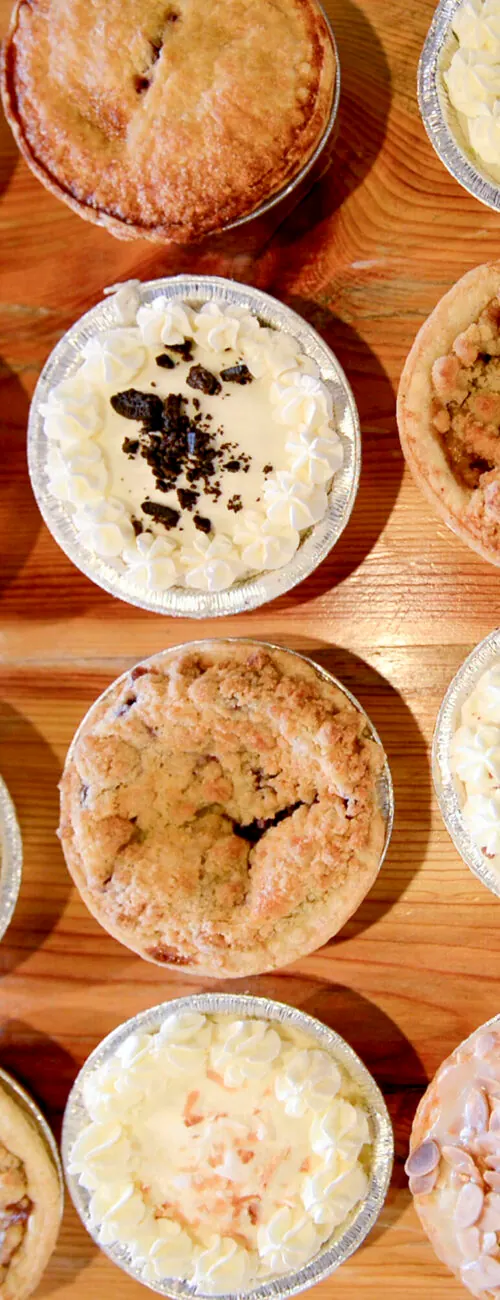
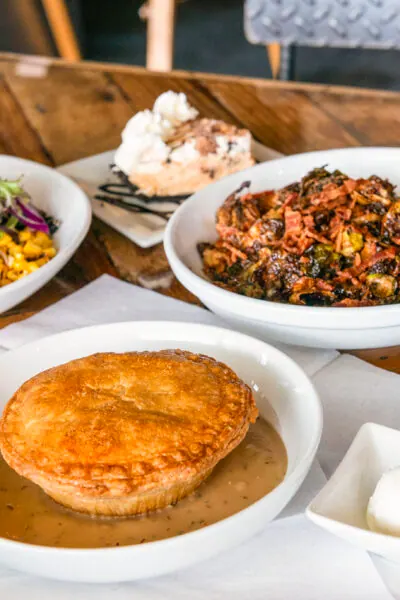
There is a particular moment that happens after a good dinner out in Colorado Springs. The plates are cleared, the savory part of the meal has run its course, and someone at the table floats the familiar question: should we get dessert here, or go somewhere else? More often than not, the better move is the second one.
A dedicated dessert stop changes the pace of the evening. It gives everyone a reason to linger a little longer, stretch the night without forcing another heavy course at the same restaurant, and end on something that feels intentional rather than obligatory. That is where a place like pie cafe colorado springs fits so well. Not every dessert shop can pull off that role. Some are too casual for a post-dinner outing. Some are too limited, too sugary, too rushed, or too tuned for daytime traffic. A pie-focused cafe, when it gets the balance right, can do something rare: it can feel both comforting and a little special.
That matters more than people think. Dessert is not only about sweetness. It is about tempo, atmosphere, and contrast. After a steakhouse, tacos, pasta, or a big celebratory meal, pie lands differently than cake or ice cream. It offers richness, yes, but also texture, fruit, spice, salt, and enough variety to keep a group happy. It is familiar without feeling lazy. And in a city where dinner options range from upscale downtown spots to neighborhood staples spread across the north and west sides, having a reliable dessert destination can make the entire evening feel better planned.
Why pie works after dinner when other desserts do not
Pie has a practical advantage that people often overlook. It is structured. A slice gives you crust, filling, temperature, and portion control in one neat serving. That sounds simple, but it is exactly why pie works so well after a full dinner. You do not need a towering dessert that takes over the table. You need something satisfying that still leaves room for conversation.
After years of eating out, one pattern becomes obvious: the desserts that look impressive on a menu are not always the desserts people actually enjoy finishing. Giant layered cakes can be beautiful but exhausting after a rich entrée. Skillet cookies are fun in theory, though they can feel one-note once the first few bites wear off. Ice cream has its place, especially in warm weather, but it can sometimes read more as a standalone treat than the final chapter of a meal.
Pie threads the needle. Fruit pies bring brightness and acidity. Cream pies offer silkiness without necessarily becoming overwhelming if the portions are reasonable. Nut pies, depending on the style, add depth and caramel notes that suit cooler evenings. Good crust introduces contrast, which is what many restaurant desserts lack. That contrast matters. A filling can be sweet, but the crust keeps the experience from becoming flat.
In a post-dinner setting, that balance is exactly what people respond to. You want dessert to wake the palate back up, not put it to sleep.
Colorado Springs is a city that rewards the second stop
One reason pie cafe colorado springs makes sense as a destination is the way locals and visitors tend to move through the city. Colorado Springs is not always a one-block, park-once dining experience. People drive between neighborhoods. They pair dinner with a scenic route, an evening errand, a meetup with friends, or a walk in a nearby district. A second stop is already built into the rhythm of many nights out.
That is different from denser downtowns where people prefer to stay put once they sit down. In Colorado Springs, splitting dinner and dessert often feels natural. You might eat a full meal in one part of town, then decide you would rather have https://www.google.com/search?sca_esv=5402a0a9251cbe8a&sxsrf=APpeQnsJJ4efk-p-clqfV2nHIiO7MTsevA:1788975159355&kgmid=/g/11cln7c20s&q=3.14+Pi+Bar&shem=dlvs1,epsd1,ltae,rimspwouoe&shndl=30&source=sh/x/loc/uni/m1/1&kgs=ccdbe3ba6ef96b9a&utm_source=dlvs1,epsd1,ltae,rimspwouoe,sh/x/loc/uni/m1/1 coffee and pie somewhere quieter. Or you may leave a busy restaurant and want a setting where the group can actually hear one another. Dessert cafes excel at that transition. They are not asking you to begin an entire evening there. They are simply offering the right final note.
This is especially true for mixed-age groups and gatherings that do not fit neatly into a single restaurant format. Grandparents, kids, couples, and friends can all find common ground over pie in a way that is harder to achieve with more trend-driven dessert concepts. The menu is approachable. The ritual is familiar. Nobody has to decode it.
The atmosphere matters as much as the menu
The strongest dessert stops understand that the room has to do part of the work. People coming in after dinner are not in a rush. They have already spent money on the main meal. They are there because they want to enjoy themselves, not because they need a quick sugar fix before heading home.
That means seating, pacing, lighting, and noise level matter more than many operators realize. If a place feels too bright or transactional, the dessert stop loses its charm. If service feels hurried, the mood drops immediately. Pie, coffee, and conversation need a little breathing room.
A good pie cafe usually finds its own lane between restaurant and bakery. It has enough hospitality to feel like an evening destination, but not so much formality that dessert becomes another production. That middle ground is valuable. People do not always want white-tablecloth dessert service after a substantial dinner. They want ease, warmth, and a setting where one slice can be shared or everyone can order their own without it feeling excessive.
The best version of this experience often looks ordinary from the outside. The details are subtle. Tables that do not crowd guests. Staff who understand that some parties are there to celebrate and others just want a quiet half hour. Coffee served hot enough to matter. Slices plated cleanly. None of this is flashy. All of it influences whether people leave saying, “We should do that again.”
Pie and coffee remain one of the great pairings for a reason
There is a reason people come back to pie and coffee even as dessert trends cycle through elaborate milkshakes, novelty pastries, and oversized cookies. The pairing works on a sensory level and on a social one.
Coffee sharpens dessert. It reins in sweetness and adds a roasted counterpoint that turns a pleasant slice into a complete finish. Even for people who do not usually drink coffee at night, decaf or espresso-based drinks often make sense after dinner because they reset the palate. Tea can fill the same role, especially with fruit pies or lighter cream fillings. The larger point is not the beverage itself. It is the way a warm drink slows the experience down.
That slower pace gives the table a second life. Plans get made. Stories come out. The conversation that never quite fit into the restaurant, because entrées were arriving and servers were checking on refills, finally has room to breathe. Dessert cafes often host the best part of the evening for that reason alone.
In practice, people tend to order in a few predictable ways:
- one slice each for a small group that wants to compare flavors
- two or three slices for the table, shared family-style
- pie with coffee for the adults and something colder or sweeter for the kids
- a slice now, another boxed to take home
- coffee only for one person who mostly came for the company
That flexibility is part of the appeal. Nobody is locked into a single style of indulgence.
The appeal cuts across different kinds of nights out
Not every dinner deserves the same ending. A business dinner has different needs than a date night. A family celebration is different from a quiet catch-up with a friend. One of the strengths of pie cafe colorado springs, at least as a concept and as a destination category, is that it adapts well to all of them.
For dates, pie is a surprisingly effective choice because it feels less performative than upscale dessert service. Sharing a slice is familiar, maybe even nostalgic, without becoming cliché. There is enough comfort in the format to lower the temperature of the evening, which is not a bad thing. Some of the best post-dinner spots are the ones that help people relax rather than impress.
For families, pie is easy territory. Children recognize it. Adults trust it. Grandparents tend to appreciate it. There is very little negotiating required, which is more valuable than it sounds after an already long dinner. Parents also tend to favor desserts that can be portioned sensibly. A clean slice is easier to manage than many plated restaurant desserts that arrive loaded with sauces, whipped toppings, and theatrical garnish.
For friend groups, pie invites sampling. This is where variety really matters. A table with different preferences can usually meet in the middle when there are fruit-forward options, richer choices, and maybe something seasonal. Dessert becomes part tasting, part conversation, which is often the sweet spot for a second stop.
For solo diners or couples who are not looking to make a whole night of it, a pie cafe can still function beautifully. Sometimes the value lies in being able to extend an evening by just twenty minutes. That can be enough to turn an ordinary meal into a memorable one.
Seasonality gives pie an edge over trend-driven desserts
One of pie’s greatest strengths is how naturally it follows the calendar. This is more than marketing. Seasonality changes what people actually want after dinner.
In colder months, spice, apple, pecan, chocolate, and dense cream pies feel right. They meet the season instead of fighting it. In spring and summer, fruit pies and lighter fillings offer a cleaner, brighter finish. People may still enjoy rich desserts year-round, of course, but pie has an unusual capacity to feel seasonally appropriate without reinventing itself every few months.
That gives a pie cafe depth. It can stay recognizable while still feeling fresh. Regulars notice that. Visitors appreciate it too, even if they cannot name exactly why the experience feels more grounded than a novelty dessert shop. A place anchored by pie often ages better because it is built on a format with range, not just hype.
There is also a practical upside for diners. Seasonal pie tends to encourage repeat visits. People who would not necessarily return for the same molten cake three times in two months will absolutely return for a different slice when the weather changes. That is part of what keeps dessert stops woven into local dining habits rather than reserved for special occasions.
The trade-offs are real, and that is why the best pie cafes stand out
It would be easy to romanticize pie and leave it there, but not every pie shop automatically becomes a great after-dinner destination. There are real trade-offs.
Pie can be too sweet if the kitchen leans on sugar instead of letting fruit or spice do the work. Crust can be disappointing if it is tough, soggy, or bland. Late-evening service can be inconsistent in some dessert-focused businesses because the staff is balancing dine-in guests with takeout traffic. And for diners who have already had a very heavy meal, even an excellent slice may feel like too much unless portions are sensible.
That is exactly why the places that get it right deserve attention. Good pie after dinner is not about sheer abundance. It is about calibration. The crust needs structure and flavor. The fillings need definition. Slices should feel generous, but not punishing. Beverage options should support the pie rather than compete with it. Most importantly, the setting has to justify the extra stop.
This is where judgment matters. A dessert place does not need to be perfect at everything. It needs to understand its role in the evening. If it can help people shift from dinner mode into unwind mode, it is doing important work.
How to make the most of a dessert stop
A pie cafe tends to be most satisfying when diners approach it with a little strategy. Not because dessert needs planning, but because timing and appetite genuinely affect the experience.
If dinner is especially rich, sharing slices usually makes more sense than everyone ordering the heaviest option on the menu. If the group includes children or less adventurous eaters, choosing one familiar pie and one seasonal or more distinctive option often works better than trying to please everyone with a single order. If it is late and caffeine is a concern, tea or decaf can preserve the ritual without wrecking sleep. These are small decisions, but they shape whether dessert feels restorative or excessive.
A few practical habits help:
- leave a little room at dinner rather than treating dessert as an afterthought
- choose pie styles that contrast with the meal instead of repeating it in sweet form
- share first, then order more only if the table still wants it
- pair richer slices with coffee or unsweetened drinks
- box up an extra slice if the night has already peaked and you want to end on a smart note
That last point is underrated. Sometimes the ideal dessert stop is not about eating more on the spot. It is about extending the pleasure into the next day. Pie happens to travel well, which adds another layer of practicality that many restaurant desserts do not offer.
Why pie cafe colorado springs earns the “after dinner” label
When people describe a place as ideal after dinner, they are usually talking about more than menu quality. They are talking about fit. Does it complement the rest of the night? Does it welcome a group without demanding a full second event? Does it feel indulgent without tipping into excess? A strong pie cafe checks those boxes naturally.
For Colorado Springs, that fit makes particular sense. The city supports diners who move around, value comfort, and appreciate places that can be both casual and thoughtful. A dedicated pie stop belongs in that ecosystem. It offers something many restaurants cannot: a clear reason to keep the evening going without overcomplicating it.
There is also a cultural appeal to pie that should not be discounted. It carries memory well. People associate it with holidays, family tables, roadside cafes, and neighborhood bakeries. When that familiarity shows up in a polished, dependable dessert setting, it feels generous rather than old-fashioned. That emotional ease is part of why pie remains such a strong closer to a meal.
Not every night out needs a dramatic finish. Most people are not looking for a dessert spectacle. They want something that tastes honest, feels welcoming, and gives the evening one last memorable beat. Pie does that quietly. Often, that is exactly why it works.
A final thought on what makes a dessert destination worth repeating
The best dessert stops become habits, not one-off experiences. People return because the place solves a common problem gracefully. After dinner, they do not always want another restaurant dessert menu, another loud room, or another oversized plate designed more for photos than for appetite. They want a setting that understands how evenings actually unfold.
Pie cafe colorado springs speaks to that need. It offers a dessert format with range, familiarity, and enough substance to feel satisfying without becoming cumbersome. It suits dates, families, celebrations, and ordinary weeknights. It gives coffee a proper companion. It creates a natural second act for the meal.
Most of all, it respects the fact that dessert is not an add-on. Done well, it is the part people remember on the drive home.
3.14 Pi Bar
5152 Centennial Blvd
Colorado Springs, CO 80919
(719) 314-6172
FAQ About pie cafe colorado springs
Does 3.14 Pi Bar serve sweet and savory pies?
Yes. The café serves savory pot pies and seasonal sweet pies made from scratch. Flavors can vary.
Can I order a whole pie to take home?
Yes. The café sells whole sweet pies to take home. Check the current menu for flavors and ordering options.
Does 3.14 Pi Bar offer take-and-bake pies?
Yes. The café offers prepared pies that you can bake at home. Check the current menu for available varieties.